Ducted vs Split System: Which One Is Right for Your Canberra Home?
Ducted vs Split System: Which One Is Right for Your Canberra Home?
Almost every article on this topic ends the same way. "Both systems have their advantages. It depends on your needs."
That's not an answer. That's sitting on the fence.
After installing both systems across hundreds of Canberra homes, here's the honest version.
What Each System Actually Does
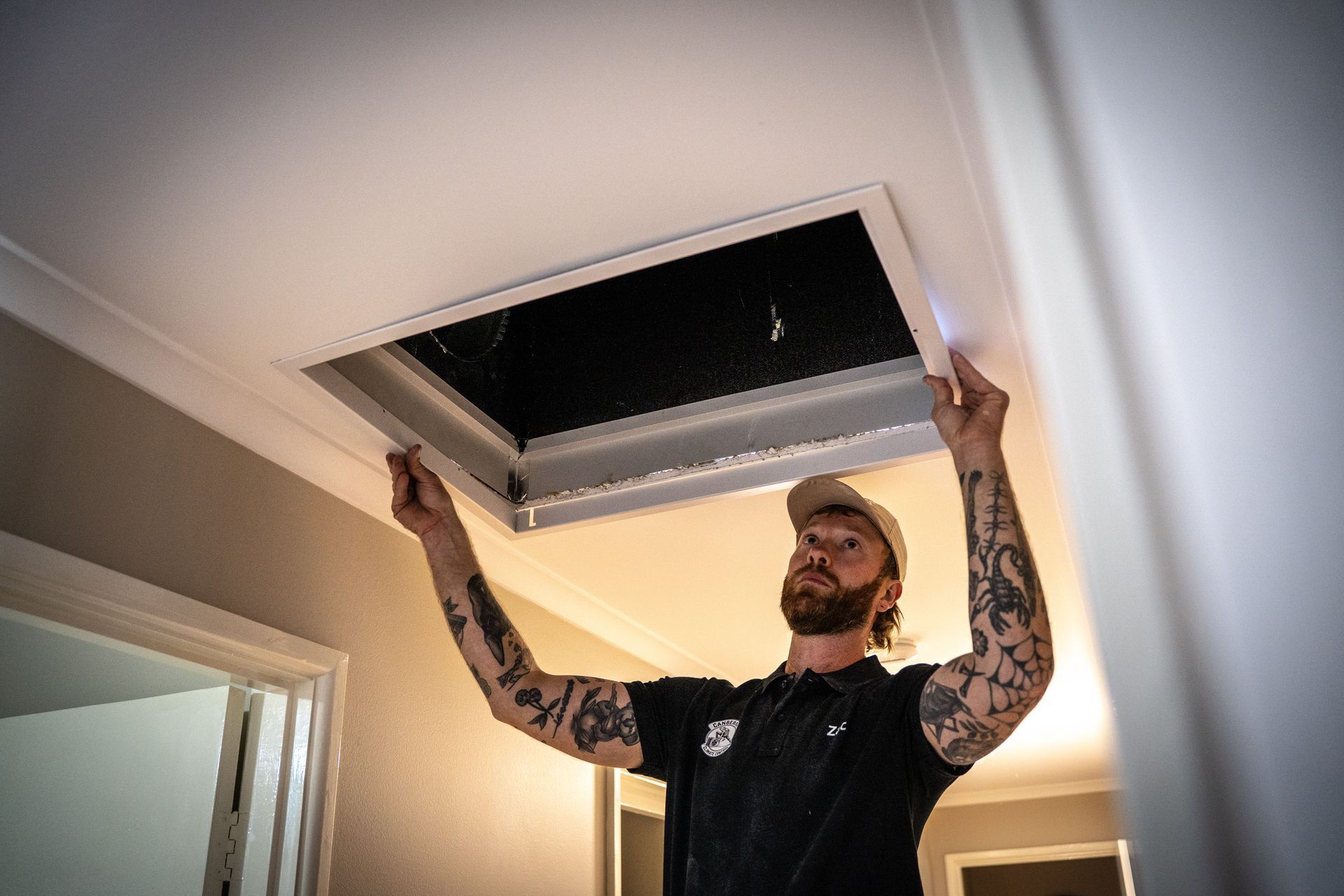
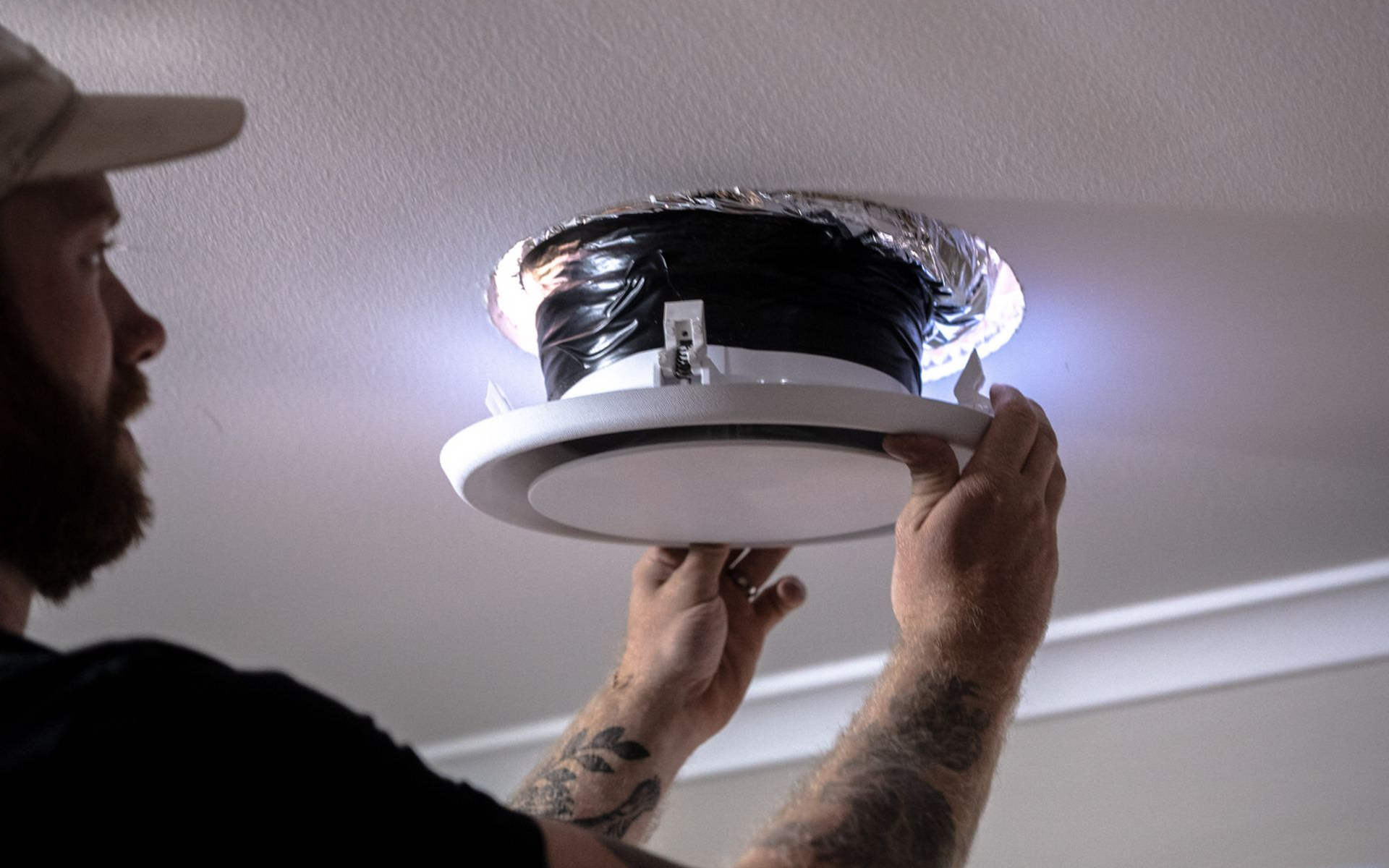
A ducted system has one indoor unit, usually in your roof, connected to a network of ducts that deliver conditioned air to every room in the house. You only see the vents in your ceiling.
A split system has an indoor wall unit and an outdoor unit on the side of the house. It conditions one room or open space. If you want multiple rooms covered, you install more units.
Both are reverse cycle. Both heat and cool. The difference is how they cover your home.
When Ducted Is the Right Call
If you want your whole home comfortable and your house has a workable roof space, ducted is generally the better choice for Canberra.
Canberra winters matter here. This isn't Sydney-cool. We're talking below zero overnight and whole-house cold by morning. A split system in the lounge room won't help the bedrooms at 6am.
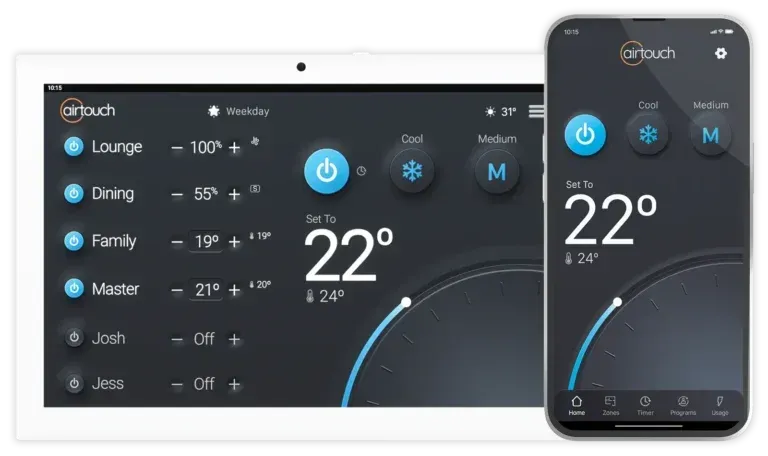
A properly designed ducted system with good zoning handles the whole house at once. That's what Canberra's climate actually calls for.
Ducted also makes the most sense in a few specific situations:
- If you're building a new home, this is the best time to do it. Ductwork goes in before the plaster. Clean, concealed result, and the cost per room is much lower when the walls are still open.
- If you're replacing evaporative cooling, there's a good chance the existing ductwork can be partially or fully reused.
- That takes a meaningful chunk off the install cost. A lot of Canberra homes are making this switch, and it makes good financial sense when done properly.
- If you're replacing gas ducted heating, the same logic applies. The ductwork is already there. Converting to reverse cycle ducted gives you both heating and cooling from one system.
- If you want the home to look clean and uncluttered, ducted is invisible from inside. Ceiling vents and nothing on the walls.
For homes where aesthetics matter, or where you're thinking about resale value, ducted presents better every time.
When Split Systems Make More Sense
Split systems aren't a consolation prize. For the right situation, they're the smarter, more cost-effective choice.
If you only need one or two rooms covered, a split system is straightforward and significantly cheaper. A bedroom, a home office, a single open-plan living area. No ductwork, no roof work, no multi-day install.
A few other situations where split makes sense:
If your budget is limited right now, a split system in the main living area sorts the most-used part of your home first. You can add to it over time. Ducted is a bigger upfront investment and harder to stage.
If you're in an apartment or rental, ducted needs roof access and structural work. It's not realistic for those setups. A split system is designed for exactly this.
If you're supplementing an existing ducted system, a split in one room that doesn't get enough airflow solves the problem cleanly without touching the rest of the install.
When Ducted Physically Can't Be Done
Here's something most articles don't mention, because they're not written by people who've been in the roof.
Some Canberra homes can't have ducted installed. Full stop. And it's worth knowing this before you spend time planning for it.
Flat roof homes are the most common example. The space between the roof structure and the ceiling is too tight for ductwork and an indoor unit. There's no workaround. If this is your house, ducted isn't an option regardless of budget.
Some architecturally designed homes have the same problem. They look great from the outside but leave no practical space for ducting. We've been asked about ducted installs in homes where it simply wasn't going to happen. The honest answer in those situations is: here's how to do split systems properly instead.
If you're not sure whether your home can take a ducted system, a site visit will answer that in about ten minutes.
The Cost Reality
Ducted starts at around $8,000 and moves up depending on the size of the home, the complexity of the duct design, and the system you choose. For an average Canberra home, expect somewhere between $10,000 and $18,000 fully installed with proper zoning.
A quality split system for a main living area or bedroom starts from around $1,500 to $2,500 installed.
Here's the crossover point worth knowing. If you need three or four split systems to cover your whole home, the cost starts to close in on ducted. At that point ducted is usually the better value, better result, and better long-term investment. Better for the home, and better for resale.
If you only need one or two spaces covered, split wins on cost every time.
What We'd Actually Recommend
Whole home in a Canberra house with a workable roof: ducted, properly sized and designed. Replacing evaporative or gas: ducted, and ask your installer upfront whether the existing ductwork is reusable.
Flat roof, tight architectural design, or just one or two rooms: split systems, sized correctly for the actual space.
Whatever you choose, make sure it's sized properly. A split system from a discount website in the wrong kilowatt rating, or a ducted unit sized from a rough room count, will cost you more over time than getting it right the first time.
If you want to talk through your specific situation, give us a call. We'll tell you what makes sense for your home, not what suits our schedule or margin.
Share
You might also like